Best gardeners in Mortlake Station area SW14 for small yards
If you have a compact outdoor space near Mortlake Station, you already know the challenge. Small yards can be charming, but they can also feel awkward, overlooked, and just a bit too easy to clutter. The good news? The best gardeners in Mortlake Station area SW14 for small yards are usually the ones who understand proportion, plant choice, and maintenance that actually fits real life. Not every garden needs a dramatic overhaul. Sometimes it just needs a sharper layout, a few clever planting decisions, and a gardener who knows how to make a tiny space feel calm instead of cramped.
This guide walks through what good small-yard gardening looks like, how to compare local gardeners, what to ask before you book, and where the common traps lie. If you are weighing up a one-off tidy-up, regular maintenance, or a proper redesign, you will find practical advice here. And yes, we will keep it grounded. No fluff. Just useful local guidance that helps you make a confident choice.
Table of Contents
- Why choosing the right gardener matters for small yards
- How small-yard gardening services usually work
- Key benefits and practical advantages
- Who this is for and when it makes sense
- Step-by-step guidance for hiring and planning
- Expert tips for better results
- Common mistakes to avoid
- Tools, resources and recommendations
- Law, compliance, standards, and best practice
- Options, methods, and comparison table
- Case study or real-world example
- Practical checklist
- Conclusion
- Frequently asked questions
Why Best gardeners in Mortlake Station area SW14 for small yards Matters
Small yards are unforgiving in a very specific way. One overgrown shrub, one poorly placed planter, one patch of tired lawn, and the whole space can start to feel smaller than it is. That is why choosing the best gardeners in Mortlake Station area SW14 for small yards matters more than simply hiring someone who can mow, trim, and leave. A good small-space gardener thinks in layers: light, movement, usable space, and low-maintenance structure.
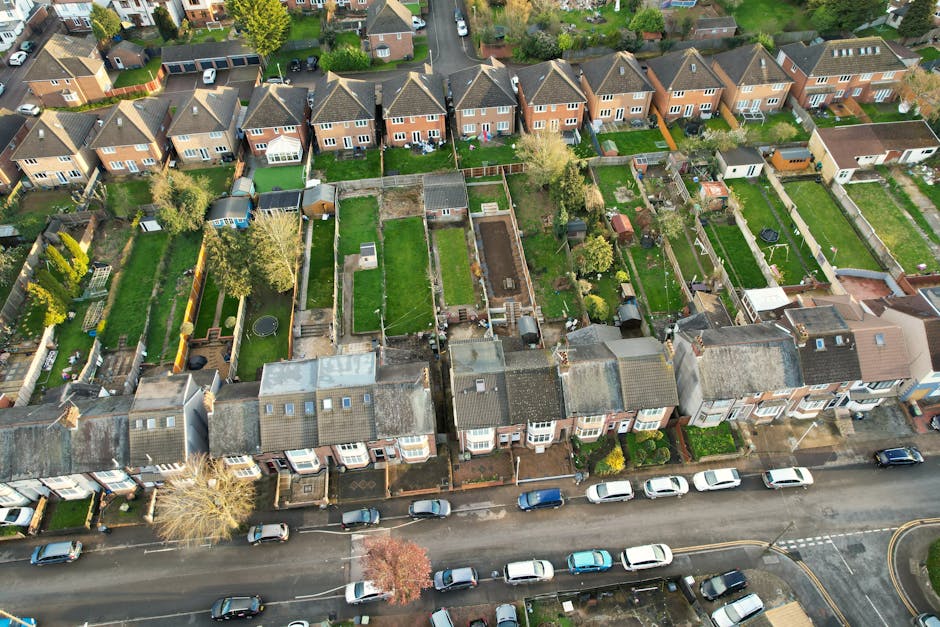
In places like Mortlake, where gardens can be tucked behind terraces, alongside narrow paths, or framed by fences and brickwork, space often works against you if the design is too busy. The right gardener knows how to create breathing room. They understand that a little restraint goes a long way. To be fair, that is the real skill here: making a garden feel bigger without pretending it is something it is not.
There is also a practical side. Small yards often need more frequent care than larger gardens because problems show up faster. A weed seed bed can spread quickly. Moss can build up. Pots dry out. Hedges get lopsided. If you want the garden to stay tidy rather than constantly drift into chaos, the gardener you choose needs a maintenance rhythm that suits the space.
For some readers, that means a one-off reset. For others, it means arranging ongoing support through a local service such as garden maintenance or a more tailored lawn care service if the lawn is small but stubborn. The right fit depends on the yard, not on a template.
How Best gardeners in Mortlake Station area SW14 for small yards Works
Good small-yard gardening is usually built around a simple process. First comes assessment. Then design or maintenance planning. Then implementation. And finally, repeat care or seasonal adjustments. It sounds straightforward, but the difference is in the detail.
Here is what a skilled gardener will usually look at:
- Sun and shade patterns across the day, especially in narrow yards where one wall may block light.
- Soil condition, drainage, compaction, and whether the space dries out too fast.
- Existing planting and what can be rescued, cut back, moved, or replaced.
- Movement and access, including how people actually walk through the yard.
- Storage, bins, and practical clutter that can quietly make the area feel crowded.
- Maintenance level, because a small garden that needs weekly fussing may not suit every household.
For compact spaces, the best gardeners rarely start with "what can we add?" They start with "what should we remove, simplify, or scale back?" That mindset is what makes the difference between a yard that feels cramped and one that feels intentional. A good team may also advise on patio edges, borders, container planting, and vertical planting so the eye moves upward instead of stopping at the nearest fence panel.
If you are comparing service styles, it helps to know whether a provider is mainly a maintenance team, a design-led gardener, or a bit of both. Some households need seasonal pruning and tidy-ups. Others need better structure and planting choices. If the space is really tight, a thoughtful garden design approach can save time and money long term, even if the initial job is small.
Key Benefits and Practical Advantages
A well-chosen gardener does more than make the space look neat. In a small yard, the benefits can be surprisingly broad.
- More usable space: careful pruning, smarter layout, and better plant placement can make a tiny yard feel less boxed in.
- Lower maintenance: the right planting mix and trimming schedule reduce the weekly burden on you.
- Better first impressions: a tidy front or rear yard lifts the whole property, which matters if you have guests, tenants, or a future sale in mind.
- Healthier plants: smaller gardens can suffer fast from overcrowding and poor drainage. Good gardeners spot this early.
- Better year-round structure: when leaves drop and flowers fade, the garden still needs shape.
- Less wasteful spending: a sensible gardener avoids unnecessary planting and focuses on what actually thrives.
There is a subtle benefit too, one people often forget until it happens: a small yard can become a place you actually use. A chair in the sun. A cup of tea at 8 a.m. A quiet corner with a bit of scent from herbs or jasmine. It does not have to be a showpiece. It just has to work.
Many local homeowners also want reliable support with surrounding outdoor tasks such as hedge trimming or tree surgery when branches begin shading the yard too heavily. In compact spaces, one overgrown element can shift the balance quickly, so small interventions matter more than you might think.
Who This Is For and When It Makes Sense
This service is a strong fit for anyone with a modest garden, courtyard, side return, or narrow rear yard around SW14 who wants the space to look better without turning it into a high-maintenance project. That includes homeowners, landlords, busy professionals, downsizers, and families who need the garden to be practical rather than precious.
It also makes sense if you are dealing with one of these situations:
- The yard feels too cluttered and you do not know where to start.
- The lawn is patchy, tiny, or awkwardly shaped.
- Potted plants keep dying because the placement is wrong, not because you lack enthusiasm.
- You want more privacy from neighbouring windows or fences.
- You need the space to be tidy for regular use, rentals, or occasional entertaining.
- You have started to avoid the garden because it looks like work rather than a place to relax.
Truth be told, a lot of small-yard clients do not need "more gardening" in the abstract. They need decisions. What stays, what goes, what gets lifted, what gets cut back, what gets planted, and what simply needs to be left alone for a while. That is a different kind of expertise.
If you are not sure whether your project needs maintenance, clearance, or a redesign, a good starting point is often a local consultation or a broader landscaping service that can assess the space without pushing you into unnecessary work.
Step-by-Step Guidance
Hiring the right gardener for a small yard is easier when you approach it in stages. Here is a practical route that keeps things sane.
- Define the main problem. Is it maintenance, layout, planting, privacy, or a combination? Be specific. "It looks messy" is true, but not very actionable.
- Measure the space roughly. You do not need architectural precision. A rough sense of size, access, and sun exposure is enough to start.
- Take a few photos. Morning light, late afternoon, and one image from each corner helps a gardener understand the space before visiting.
- Ask what small-yard experience they have. A gardener who understands compact London gardens will usually think differently from someone used to larger suburban plots.
- Request a clear scope. Is the quote for pruning, weeding, planting, soil work, waste removal, or all of that? Small jobs can become surprisingly muddy if the scope is vague.
- Check what happens after the first visit. Will the gardener suggest a maintenance rhythm, seasonal plan, or follow-up treatment?
- Compare like for like. Two quotes can look similar but include very different levels of care, materials, or disposal.
A useful little rule: if the space is genuinely small, ask how they would make it feel bigger. If the answer is just "trim everything back," that may not be enough. You want someone who can explain how they would improve proportion, sightlines, and structure. That is where the value sits.
For bigger refreshes, it can help to coordinate planting, borders, and hard surfaces together. A team offering patio cleaning or surface care may also improve the way the space reads visually, especially if moss, staining, or worn paving is making the yard feel older than it is.
Expert Tips for Better Results
These are the sorts of small decisions that make a surprisingly large difference in compact gardens.
Choose fewer plant types, not more
Small yards often look better with repetition. A few well-chosen plants repeated in groups is calmer than a mix-and-match approach. In a tight space, visual consistency is your friend.
Think vertical as well as horizontal
Wall-mounted planters, climbers, and trellises can lift the eye and free up floor space. Just do not overdo it. You still need light and air circulation, especially in damp shaded corners.
Use height with care
Tall plants can add privacy, but too many tall elements in one place can make a yard feel enclosed. Balance is everything. A decent gardener will know where height helps and where it starts to pinch.
Keep maintenance realistic
A beautiful small yard that requires constant attention is only beautiful for a moment. Then it becomes a chore. Be honest about how much time you really want to spend each month.
Let one feature breathe
Sometimes the smartest move is leaving a section uncluttered. A clean patch of paving or gravel can be more effective than another planter. Sounds simple, but it works.
Prune for shape, not just size
There is a difference between chopping plants back and shaping them well. Good pruning keeps movement, light, and form in balance. Bad pruning just makes a garden look bruised.
A tiny human note here: it is very easy to get carried away after a rainy week and want everything cut down to the bones. Sometimes that is right. Sometimes it is just impatience in gardening form. Happens to the best of us.
Common Mistakes to Avoid
Small yards are especially easy to get wrong because every choice is magnified. One poor decision can dominate the whole space.
- Choosing plants that outgrow the space. Fast-growing shrubs can quickly swallow a small garden.
- Ignoring drainage. A tiny yard that stays wet will always feel harder to maintain.
- Overfilling with pots. Too many containers create clutter and reduce usable floor space.
- Mixing too many colours and textures. Visual noise is a real issue in compact gardens.
- Skipping seasonal care. A small garden needs regular attention, even if only light touch-ups.
- Hiring without checking experience. Not every gardener is equally strong with small urban spaces.
- Assuming cheap is efficient. A low quote can become expensive if the work has to be redone.
Another common slip is treating the yard like a list of chores rather than a living space. If you only trim what is obvious, the garden may still feel off. The edges, transitions, and sightlines matter too. That is often where the best local gardeners earn their keep.
Tools, Resources and Recommendations
You do not need a shed full of specialist equipment to keep a small yard in decent shape, but the right tools make maintenance easier and cleaner.
- Bypass secateurs: useful for clean cuts on living stems.
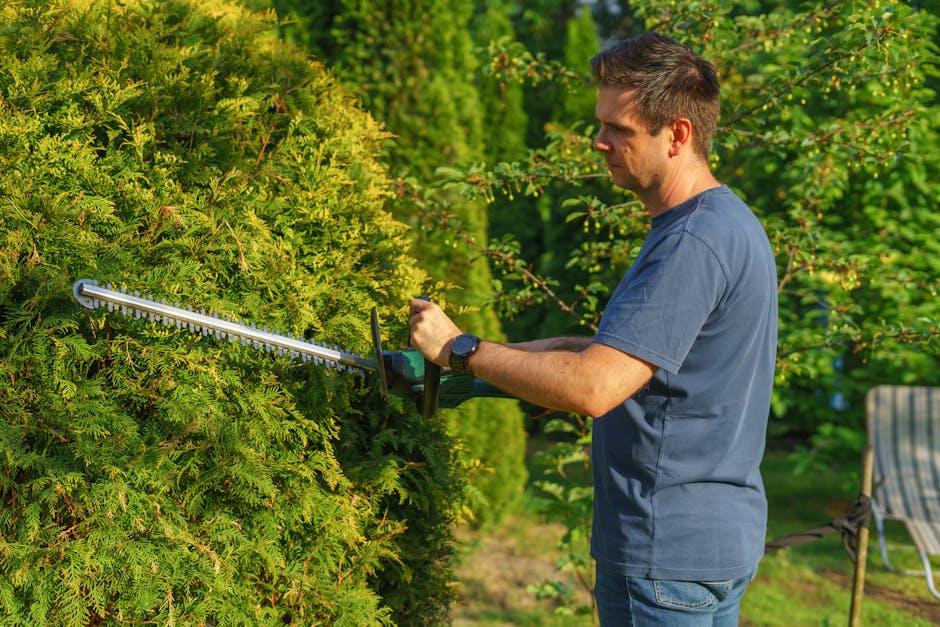
- Lightweight hedge shears: good for shaping, especially in tighter spaces.
- Hand fork and trowel: better for small beds and containers.
- Leaf rake or compact blower: helps manage debris without disturbing planting too much.
- Watering can or simple hose setup: small yards often dry unevenly, especially near walls.
- Mulch or compost: useful for improving soil and suppressing weeds.
On the service side, a good gardener may also recommend periodic visits tied to the seasons rather than a rigid weekly routine. That can be a smarter option for small spaces. In spring, you may want more planting and tidying. In summer, more water management and deadheading. In autumn, leaf clearance and cutback work. Winter can be a good time for structural pruning and planning.
If you want broader support around property upkeep, nearby services such as garden clearance can be useful when a small yard has become overrun, while pressure washing may improve tired hard surfaces. Not every garden needs it, obviously, but when paving is green with algae, the whole place can feel a bit neglected.
Law, Compliance, Standards, and Best Practice
For most small garden jobs, there is no heavy compliance burden, but there are still sensible standards to follow. Good gardeners should work safely, dispose of waste properly, and avoid damaging shared boundaries or neighbouring property. In London, that matters because access can be tight and gardens often sit close together.
Here are a few best-practice points worth keeping in mind:
- Waste handling: green waste should be removed or composted responsibly, not dumped casually.
- Noise and timing: be considerate with loud work, especially in shared or close-knit residential areas.
- Boundary awareness: if pruning near fences, walls, or neighbour-owned trees, it is wise to confirm what belongs to whom before cutting.
- Safe use of tools: saws, trimmers, and ladders should be used by people who know what they are doing. Simple enough, really.
- Species and pests: if a gardener spots disease, invasive growth, or tree issues, they should advise carefully rather than guess.
If your yard includes larger trees, mature hedging, or awkward overhangs, a professional team with the right knowledge is more appropriate than a quick tidy-up. In those cases, it may be worth exploring specialist help through a dedicated arborist service or a consultation that clarifies what can safely be done. That is not over-cautious. It is just sensible.
Key takeaway: in a small garden, compliance is less about paperwork and more about care, competence, and respect for shared spaces. That quiet professionalism is often what separates a decent gardener from a genuinely good one.
Options, Methods, or Comparison Table
If you are deciding how to improve a small yard, it helps to compare the main approaches side by side. The right choice depends on budget, time, and how much change you want.
| Approach | Best for | Typical strengths | Possible drawbacks |
|---|---|---|---|
| One-off tidy-up | Overgrown or neglected small yards | Fast reset, immediate improvement, lower commitment | May not solve layout or long-term maintenance issues |
| Regular maintenance | Busy households and rental properties | Keeps the garden presentable, prevents build-up | Can feel repetitive if there is no clear plan |
| Light redesign | Spaces that look awkward rather than messy | Improves flow, structure, and planting balance | Takes more planning and a clearer brief |
| Full garden makeover | Small yards that need a complete rethink | Best chance of transforming function and appearance | More involved and usually not necessary for every property |
For many Mortlake households, the sweet spot is somewhere between regular maintenance and light redesign. A small yard rarely needs grand gestures. It needs the right few moves, done well.
Case Study or Real-World Example
Picture a compact rear yard near the station: narrow paving, a tired patch of grass, a couple of oversized pots, and one shrub that has decided it owns the place. The space is not ugly, exactly. It is just confused.
A sensible first visit might include:
- cutting back the dominant shrub to open up light
- lifting low, scrappy planting that blocks movement
- refreshing the soil in the border
- reducing the number of pots and grouping the remaining ones better
- reshaping the edge of the lawn or replacing it with a simpler finish if the grass is struggling
After that, the yard starts to read differently. You can see the paving. The fence line feels calmer. There is still planting, but it no longer shouts. A small bench or chair can suddenly make sense. And, maybe most importantly, the owner feels like the garden belongs to them again rather than the other way round.
That sort of change is usually not about expensive materials. It is about judgement. In our experience, good small-yard work often looks almost understated when it is done well. That is the point.
Practical Checklist
Use this before you hire a gardener or book a visit.
- Have you defined the main problem clearly?
- Have you taken photos from a few angles?
- Do you know whether you need maintenance, clearance, pruning, or design help?
- Have you asked about experience with small urban gardens?
- Is the quote clear about labour, materials, and waste removal?
- Have you checked whether the gardener can suggest a follow-up plan?
- Do you know how often the garden will need attention after the first visit?
- Have you considered whether hard surfaces also need cleaning or repair?
- Are you comfortable with the proposed planting style and upkeep level?
- Have you compared at least two options, if possible?
If you can tick most of those off, you are in a much better position. Not perfect. Just better. And that is usually enough to get a good result.
Conclusion
The best gardeners in Mortlake Station area SW14 for small yards are the ones who understand that compact outdoor spaces need more judgement than brute force. They know how to simplify, shape, and maintain without making the garden feel stripped bare. They also know that a small yard can be a lovely place, not a problem to be tolerated.
If you choose carefully, ask practical questions, and look for real experience with small spaces, you give yourself the best chance of a garden that is easier to live with and nicer to spend time in. That could mean a neat weekly maintenance plan, a one-off tidy-up, or a thoughtful redesign that finally makes the space feel balanced. Any of those can be the right move.
Get a free quote today and see how much you can save.
And if all you want is a yard that feels calmer on a grey London afternoon, that is reason enough to start.
Frequently Asked Questions
What should I look for in a gardener for a small yard near Mortlake Station?
Look for someone who has clear experience with compact urban gardens, not just general gardening. They should understand pruning, proportion, planting structure, and maintenance plans that suit a smaller space.
How often does a small yard in SW14 usually need maintenance?
It depends on the planting and how much you want to stay on top of it. Many small yards benefit from seasonal work or monthly maintenance, while heavily planted spaces may need more frequent attention.
Is a garden redesign worth it for a tiny outdoor space?
Yes, if the layout is awkward, cluttered, or hard to maintain. Even small changes, like improving sightlines or simplifying planting, can make the space feel much bigger and easier to use.
What is the difference between garden maintenance and garden clearance?
Maintenance is ongoing care such as trimming, weeding, and tidying. Clearance is usually a more intensive one-off job for neglected, overgrown, or cluttered spaces that need a reset.
How can I tell if a quote is fair for a small garden job?
Compare what is included rather than only the final number. Check whether waste removal, materials, labour time, and follow-up advice are part of the quote. A cheaper quote is not always the better one.
Do small yards need specialist planting advice?
Often, yes. Small spaces are less forgiving, so the wrong plant can dominate quickly. A good gardener will recommend plants that suit the light, soil, and maintenance level of the space.
Can a gardener help make a small yard look bigger?
Absolutely. A skilled gardener can improve spacing, use vertical planting, simplify the palette, and prune strategically so the eye moves more freely through the garden.
What if my yard is mostly paved?
That is still a garden project. Paved yards often benefit from container planting, wall planting, cleaning, and thoughtful structure. Sometimes the fix is less about adding greenery and more about balancing the hard surfaces.
Should I choose a local gardener or a larger company?
Both can work. A local gardener may offer more personal service and better area knowledge, while a larger company may have broader resources. Focus on experience with small gardens, clear communication, and practical results.
Are there any council or neighbour issues I should think about before work starts?
Yes, especially for shared boundaries, overhanging branches, and access. It is sensible to be clear about what belongs to you and to avoid work that could affect neighbouring property without checking first.
What time of year is best for improving a small garden?
Spring and early autumn are often practical times for planting and refresh work, while late autumn and winter can be useful for pruning and planning. The right timing depends on the job, though, not just the season.
Can I combine garden care with patio or hedge work in one visit?
Yes, and in a small yard that can be very efficient. Many homeowners combine pruning, tidying, and surface cleaning so the whole space feels coordinated rather than half-finished.