Hedge Trimming in Mortlake

We provide hedge trimming in Mortlake for domestic gardens and managed outdoor spaces that need a neat, controlled finish. The work can range from maintaining a regular shape to reducing vigorous growth that has begun to obscure paths, windows or boundaries. Our aim is straightforward: tidy, even cuts that help hedges stay presentable and manageable without leaving them harshly cut back or unevenly reduced.
Careful trimming is about more than appearance. Different hedge types respond differently to cutting, so the right approach depends on the plant, the time of year and the condition of the growth. We work with a practical focus on balance, structure and ongoing maintenance, using methods suited to the hedge rather than forcing a single style onto every job. If you need a one-off tidy-up or regular hedge care, you can ask for a quotation at any point.
Alongside trimming, we can discuss related garden work where it helps the overall result, including general upkeep and the removal of garden waste. Use our plain text call to action to make contact and request a quote when you are ready.
Hedge care and shaping
Good hedge maintenance begins with understanding what the hedge is meant to do. Some are there to define a border cleanly, while others are grown for screening, shelter or a softer ornamental effect. Trimming should preserve that purpose. A formal hedge usually benefits from crisp, consistent lines, while a looser hedge often looks better with a lighter touch that keeps the natural outline but removes straggly growth. We tailor the finish to the hedge’s role so the end result feels purposeful rather than overworked.
In practical terms, trimming may involve reducing the width as well as the height, especially where the hedge has started to lean, bulge or shade too much of the garden. Cutting the sides back helps light reach lower growth, while topping can restore a more controlled profile. Where appropriate, we can also shape the face so it is slightly narrower at the top than at the base, which helps the hedge stay healthy and easier to manage over time. That kind of detail matters if you want a tidy result that lasts.
For related service information, see our services overview, which gives a simple view of the work we cover across outdoor maintenance and improvements. If your hedge is part of a wider garden tidy, it can be sensible to combine tasks so the space is finished consistently rather than piecemeal.
What a trimming visit can include

Hedge trimming can mean different levels of work depending on the size, condition and season. Some hedges only need a light tidy to keep them smart between full cuts. Others need more substantial reshaping where shoots have grown far beyond the intended line. We look at the hedge’s current state and work from there, keeping the cuts even and avoiding unnecessary disturbance to healthy growth. The result should be neat, not just shorter.
Where hedges are positioned near fences, driveways or planting beds, careful control of cuttings is important. A sensible trimming plan allows the work to be completed without damaging nearby features or leaving an untidy edge behind. We also pay attention to access, especially where a hedge runs close to a wall or boundary. That is why it helps to describe the hedge clearly when you request a quotation, including whether it is one side or both sides that need attention.
If you want to compare trimming with broader garden work, our garden maintenance page explains the wider upkeep approach, while hedge trimming identifies the service directly. These pages can help you decide whether a single tidy-up or a more regular maintenance plan is the better fit.
Trimming for shape, privacy and light
Many customers want hedge work because the planting has become uneven, too dense or simply too dominant in the garden. Trimming restores shape while keeping the hedge doing its job. If a hedge is used for privacy, the challenge is to reduce excess growth without creating gaps or an abrupt outline. If it is mainly decorative, the aim may be symmetry and a clean edge that frames the rest of the garden. Different situations call for different finishing decisions, and that is where a measured approach matters.
Light levels are another practical factor. A hedge that has crept too far outward can cast shade across lawn edges, borders and patios, while an over-tall hedge may block more light than the garden can comfortably lose. Trimming can help restore a better balance by removing the most intrusive growth first and then refining the remaining shape. In many cases, a careful cut can make the surrounding space feel more open without taking away the boundary or structure the hedge provides.
Where trimming forms part of a broader refresh, you may also find landscape gardening useful for understanding related outdoor improvements, and landscaping useful if the hedge sits within a larger garden layout project. For a straightforward starting point, send us a short description and ask for a quotation.
When hedge reduction needs extra care
Not every hedge should be cut in the same way. Some species tolerate regular trimming well, while others need a more selective approach to avoid leaving thin patches or stressed growth. A hedge that has been neglected for a long time may also need staged attention rather than an aggressive cut all at once. In those cases, a gradual reduction can be more sensible, preserving the hedge’s health while bringing it back toward the desired size and outline.
It is also important to distinguish between routine trimming and work that goes beyond maintenance. If a hedge has become exceptionally tall, wide or overgrown, the task may involve reduction rather than simple tidying. That can affect the amount of cut material produced, the time needed on site and the final appearance after the first cut. Clear information at quotation stage helps set expectations properly, especially where the hedge has irregular sections, mixed species or different growth density along its length.
For customers weighing up that kind of work, our pricing and quotes page gives a useful starting point for how estimates are approached. If the hedge is closely connected to a larger pruning job, tree lopping and removal may also be relevant where trees are affecting light or access near the hedge line.
Cuttings, tidying and site finish
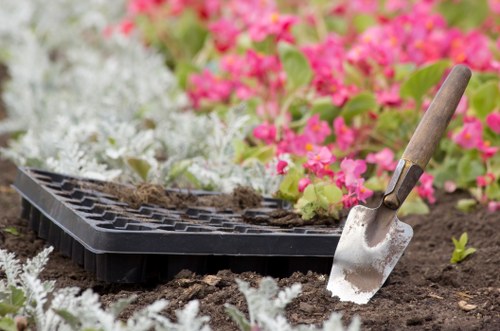
Once the hedge is trimmed, the finish matters. Cuttings need collecting and the area around the hedge should be left tidy so the work feels complete. A smart finish is not just about the clipped face of the hedge; it is also about the space below and around it. Where possible, we keep disruption controlled and remove the visible mess created by the cut so the boundary looks cared for rather than merely reduced.
Garden waste can be handled in different ways depending on the amount produced and the arrangements agreed. Some jobs generate only a modest pile of trimmings, while others produce a substantial volume that needs careful loading and disposal. If the hedge sits alongside a lawn, bed or path, it is useful to think about how the cut material will be managed before the work begins. That keeps the process orderly and avoids surprises when the trimming is finished.
If you want to combine hedge work with disposal-related help, our garden clearance page explains how larger amounts of outdoor waste can be dealt with. For customers concerned about how cuttings are managed more generally, recycling and sustainability provides a broader view of responsible handling.
Preparing for a quotation
To price hedge trimming accurately, it helps to know what the hedge is like in practical terms. A short description of its length, approximate height and whether both sides need cutting is often enough to begin with. If the hedge includes corners, awkward access or sections that have grown differently from one another, mention those too. That kind of detail makes the quotation more useful because it reflects the actual work rather than a rough guess based on hedge length alone.
Photographs can also be helpful, especially when the hedge is tall, mature or partly hidden from easy view. A clear image showing the full run of the hedge, plus any areas that need particular attention, can support a more reliable estimate. It is also sensible to mention whether the hedge borders a driveway, shared boundary, front garden or rear garden, since the setting can affect the handling of the job. Keep the description simple and factual, and we can work from there.
For a fuller idea of how we handle service requests, the contact us page is available when you are ready to send details. If you would like background on how the business handles payments and secure arrangements, payment and security offers further information.
Regular trimming and one-off visits
Some hedges benefit from steady, recurring care, while others only need attention when they have started to look uneven or unruly. Regular trimming tends to suit hedges that are part of a formal boundary or front garden design, because it helps keep the outline consistent and prevents the hedge from becoming bulky between visits. A one-off visit can be more appropriate when the hedge has been left for a while and needs a reset before any maintenance cycle is considered.
The best choice depends on the hedge itself and on how the surrounding garden is used. A hedge near a small patio, path or entrance may need a cleaner profile so the space feels open and easy to use. A hedge forming a more private backdrop may be allowed a softer shape, provided it still remains manageable. Either way, the trimming should suit the setting and the customer’s priorities, not force the same finish everywhere. That is the value of looking at the hedge as part of the whole space.
For ongoing service planning, you may find our about us page useful as general background, while the services overview can help you see where hedge trimming sits alongside other outdoor work. If you are ready to move forward, request a quote today.
Why hedge shape affects upkeep
A well-shaped hedge is usually easier to maintain than one that has been allowed to grow too wide or too heavy at the top. Shape affects more than appearance: a hedge that is slightly wider at the base and narrowed modestly toward the top tends to admit light more evenly and remain visually stable. A hedge that becomes top-heavy can start to shade itself, lose definition low down and demand heavier intervention later. Trimming is therefore part of keeping the hedge manageable, not just cosmetic upkeep.
There is also a difference between a hedge that needs tidying and one that needs re-establishing. Tidy-up work focuses on keeping the current form neat. Re-establishing work may involve bringing the hedge back into proportion after a period of strong growth or irregular cutting. In those situations, patience matters. Cutting too much in one pass can create a sparse result, while a considered reduction can improve the shape without compromising the hedge’s overall purpose. That kind of judgement is central to good hedge work.
Practical points before the work begins
Before any trimming takes place, it helps to know whether there are hidden constraints such as bird activity, shared access or nearby planting that needs protecting. Where there are overhead obstacles or narrow side passages, the method of working may need to be adjusted. Simple preparation and a clear description of the hedge can save time later, but the main aim remains the same: a controlled, tidy cut that suits the hedge and the garden around it.
Mortlake and the wider setting
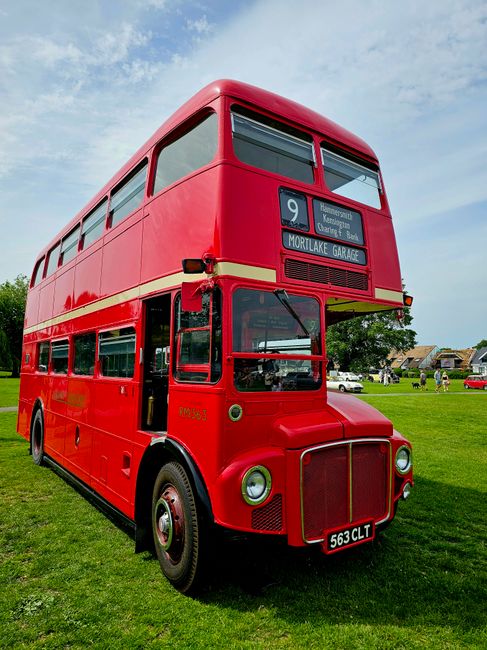
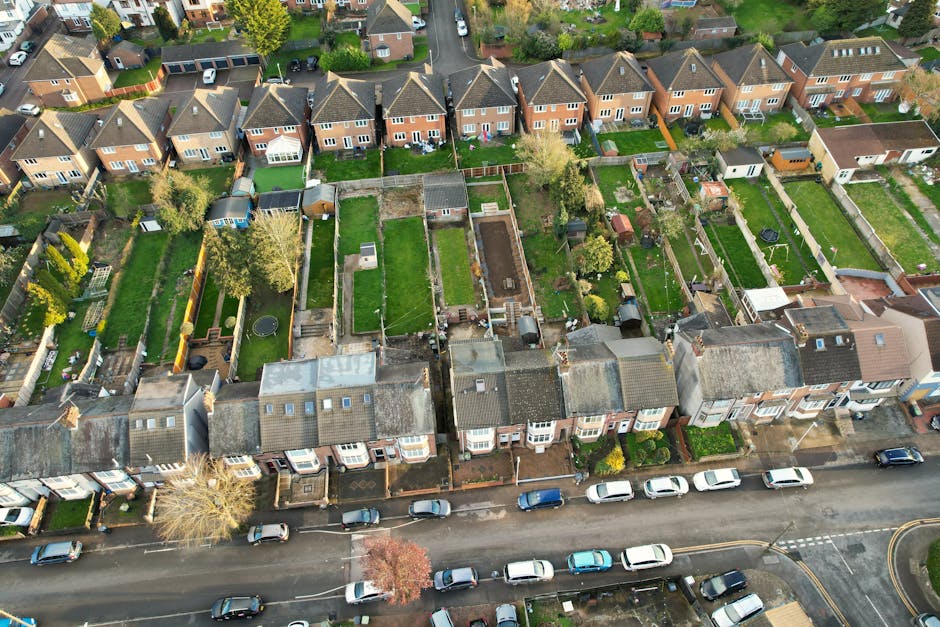
Mortlake is a district in the London Borough of Richmond upon Thames, located on the north bank of the River Thames in south-west London. Historically, it was a riverside village and later became known for industry, including brewing and silk weaving, before joining the more suburban and residential character seen today. The area’s layout still reflects its position near the river, with routes running between local streets, open spaces and the Thames frontage.
One of the best-known local landmarks is St Mary the Virgin, a church whose history reaches back many centuries and whose tower is a familiar part of the riverside skyline. The district also sits close to Barnes and East Sheen, while open spaces such as Mortlake Green and nearby riverside walks contribute to its character. The Thames Path passes through the wider riverside environment, linking the area to a long sequence of London waterside places and giving the district a strong connection to walking and outdoor leisure.
Mortlake railway station adds to the area’s practical identity, while local streets mix older buildings with later housing, small parades and everyday residential life. Its setting between the river, neighbouring districts and the wider Richmond borough gives it a layered feel: part historic river settlement, part modern London neighbourhood, with architecture and public space that still echo both. That combination makes it a place where local detail, rather than grand scale, often defines how the area is understood.
Choosing the right hedge service for your garden
Different gardens call for different trimming choices. A neat front boundary hedge may need a sharper, more regular finish, while a larger rear garden hedge may suit a less rigid outline that still looks intentional. The right service choice depends on whether the hedge is mainly decorative, private, wind-breaking or used to define a boundary. Matching the approach to the job helps avoid overcutting and ensures the hedge keeps doing what it is meant to do.
Where hedges vary along their length, the work may need to be adapted section by section. One end might need only a light tidy, while another has grown harder and wider and needs more active reshaping. That is why a description based on actual conditions is better than a broad label alone. If you are unsure how much work is needed, send what you know and let us quote on that basis. We can then suggest the level of trimming that appears most suitable.
For details on how we handle wider site care and combined jobs, garden maintenance can provide useful context. If you are planning a broader garden project alongside the hedge, landscaping may also be relevant when looking at the space as a whole. Get in touch to request a quotation when you are ready.
Service details and useful checks

Before trimming begins, a few straightforward checks help the job run smoothly. It is useful to confirm which hedge or hedges are included, whether access is through the house or side passage, and whether the trimming is to be carried out on one side, both sides or the top as well. These details do not need to be complicated, but they do make the quotation and the work itself more precise. A sensible plan starts with a clear understanding of what is being cut.
If the hedge runs along a boundary line, it may also be worth noting whether the surrounding side is clear or whether there are obstacles such as bins, trellis, low fencing or planting that should be left untouched. The more accurately the hedge can be described, the more confidently the work can be arranged. We use that information to shape a practical service rather than assuming every hedge has the same access or condition. That keeps the result steady and the process orderly.
For a straightforward next step, use contact us or send a short enquiry and ask for a quotation. If you would like to review the wider company information first, about us and services overview are both available as supporting pages.