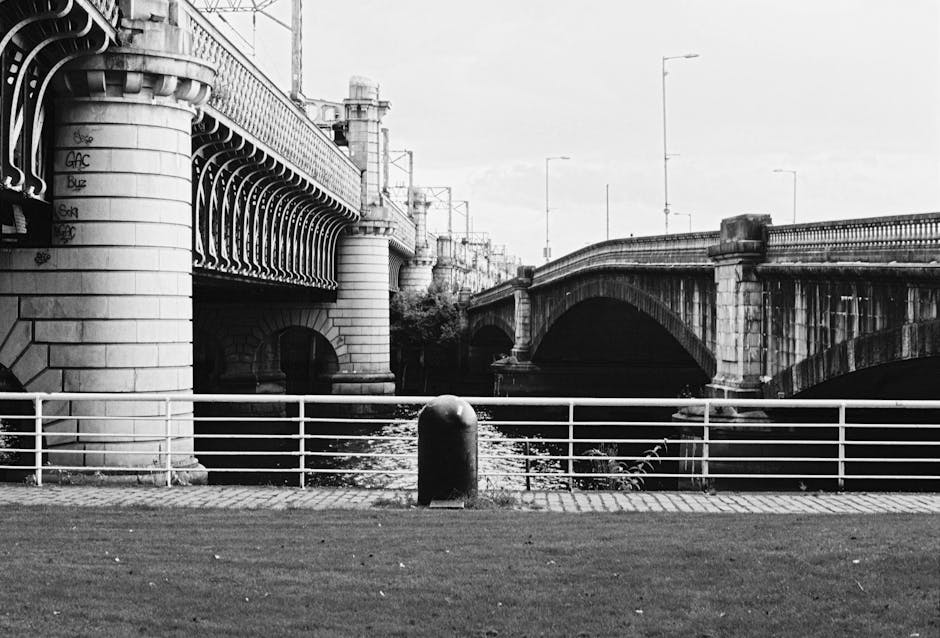
Gardeners near Barnes Bridge for riverside garden care
Riverside gardens near Barnes Bridge have their own personality. The light shifts differently, the soil can behave in odd ways after a wet spell, and a neat border can look a bit wild again after one blustery afternoon. If you are looking for Gardeners near Barnes Bridge for riverside garden care, you are probably not just after a quick mow or a tidy-up. You want someone who understands exposed planting, moisture swings, leaf fall, drainage, and the practical realities of keeping a London riverside space looking calm rather than constantly battled with.
That matters because gardens close to the Thames often face a mix of problems at once: shade from mature trees, reflected heat from walls and paving, occasional flooding or waterlogging, and stronger winds funnelled along the river corridor. A good local gardener sees those patterns early. They know when to prune, what to mulch, how to protect roots, and when a simple adjustment will save you from a bigger repair later on. Truth be told, that kind of judgement is worth more than a flashy promise.
This guide breaks down what riverside garden care near Barnes Bridge really involves, how professional gardeners approach it, and what you should look for if you want steady, reliable results rather than a short-lived tidy-up.
Table of Contents
- Why Gardeners near Barnes Bridge for riverside garden care Matters
- How Gardeners near Barnes Bridge for riverside garden care Works
- Key Benefits and Practical Advantages
- Who This Is For and When It Makes Sense
- Step-by-Step Guidance
- Expert Tips for Better Results
- Common Mistakes to Avoid
- Tools, Resources and Recommendations
- Law, Compliance, Standards, or Best Practice
- Options, Methods, or Comparison Table
- Case Study or Real-World Example
- Practical Checklist
- Conclusion
- Frequently Asked Questions
Why Gardeners near Barnes Bridge for riverside garden care Matters
Riverside garden care is a little more demanding than standard domestic maintenance. Near Barnes Bridge, a garden might look sheltered on paper, but in practice it can experience damp air, gusty weather, uneven drainage, and heavy seasonal debris from mature trees and nearby planting. Those conditions change how a garden grows, and they change how it should be maintained.
For example, a lawn that would be fine in a more enclosed suburban road may become patchy here if it sits in shade and holds moisture for long periods. Border plants can get leggy if they are reaching for light, while others may sulk after soil becomes compacted around paths or seating areas. Even patio joints and gravel beds can become slippery or weed-prone faster than people expect. A gardener who works in this part of London will usually spot these patterns before they become obvious problems.
There is also the matter of presentation. Riverside gardens tend to be visible from multiple angles: from the house, from the river path, and sometimes from neighbouring properties too. That means care is not just about horticulture; it is about maintaining structure, privacy, and a sense of order that suits the setting. A tidy line of clipped hedging, healthy container planting, and balanced seasonal colour can make a huge difference without needing a full redesign.
If your garden connects to a wider property project, it often helps to look at the bigger picture rather than a single job in isolation. Many homeowners pair routine garden care with services such as garden maintenance, landscaping, or even careful seasonal refreshes through garden clearance. That joined-up approach is often the difference between a garden that survives and one that genuinely thrives.
How Gardeners near Barnes Bridge for riverside garden care Works
Good riverside garden care is usually built around observation first, work second. The first visit should not feel like a hurried quote-and-go. It should feel like someone is asking the right questions: how much sun does this border get, where does water sit after rain, which plants keep failing, and what do you actually want the garden to do for you?
From there, the work typically falls into a few core areas.
1. Site assessment and seasonal planning
A gardener will assess soil condition, drainage, exposure, plant health, and access. On a riverside site, that assessment matters because the same bed may behave very differently in spring than it does after a wet autumn. Planning should account for seasonal pruning windows, planting opportunities, and maintenance frequency.
2. Planting suited to the microclimate
Not every plant loves a river-adjacent setting. Some thrive in moisture and shelter, while others struggle in wind-exposed spots or heavy shade. A strong local gardener will recommend plants based on the actual garden conditions, not just what looks good on a Pinterest board. Nice idea, but plants do not care about trends.
3. Routine maintenance with a local rhythm
This includes mowing, edging, pruning, deadheading, weeding, feeding, and checking for pests or disease. Near Barnes Bridge, timing is everything. A weekly or fortnightly visit may be enough for some gardens, while others need a more responsive rhythm during growth surges in late spring and summer.
4. Soil improvement and moisture management
Riverside soils can become compacted or waterlogged, especially where foot traffic is high. Improving structure with organic matter, mulching, and careful aeration can make a real difference. In some gardens, raised beds, better drainage channels, or smarter planting choices are the more practical fix.
5. Ongoing adjustment rather than one-off intervention
The best gardeners do not just repeat the same routine every month. They adapt. Maybe a hedge needs lighter trimming because birds are nesting nearby. Maybe a border has become too shaded and needs reshaping. Maybe a terrace needs a different container mix because summer heat bounces off nearby surfaces by midday. Small changes, made at the right time, keep the garden healthier.
If you want a deeper understanding of how work is usually organised across a wider property, it may also help to compare with regular garden maintenance and hedge trimming so you can see where riverside care overlaps and where it needs a more tailored approach.
Key Benefits and Practical Advantages
Hiring gardeners who understand riverside conditions is not just about convenience. It can save time, reduce plant losses, and prevent avoidable wear on the garden as a whole.
| Benefit | What it means in practice | Why it matters near Barnes Bridge |
|---|---|---|
| Better plant survival | Plants are chosen for shade, moisture, and exposure | River-adjacent conditions can be tough on unsuitable planting |
| Cleaner presentation | Paths, beds, borders, and containers stay orderly | Visible riverside gardens can look untidy very quickly |
| Reduced maintenance backlog | Small tasks are dealt with before they snowball | Wind, shade, and moisture can accelerate overgrowth |
| Healthier soil | Mulch, drainage, and aeration support root growth | Compaction and waterlogging are common local headaches |
| More usable outdoor space | Seating areas and borders feel intentional | Many riverside gardens are used for both privacy and relaxation |
There is another benefit people sometimes overlook: confidence. When you know someone is tracking the garden through the seasons, you are less likely to panic after a storm or overreact to a patch of yellowing leaves. A calm plan beats emergency fixes, every time.
For homeowners who are considering a broader outdoor refresh, services such as hard landscaping or patio installation can complement ongoing care, especially where the garden needs better structure, drainage, or a more practical layout. The trick is choosing improvements that actually suit a riverside setting instead of fighting it.
Who This Is For and When It Makes Sense
This kind of service is a good fit for a range of property types around Barnes Bridge. You may be a homeowner with a compact garden that gets damp at the back fence. You might manage a larger family garden with mature planting and a lawn that needs careful handling. Or perhaps you have a terrace, courtyard, or riverside-facing space where container planting and tidy structure matter more than a big lawn.
It also makes sense if you have noticed recurring problems such as:
- moss building up in shaded or damp areas
- shrubs that grow leggy or unevenly
- patios becoming slippery after wet weather
- beds that dry out too fast in summer but stay soggy in winter
- plants failing in the same spot year after year
- hedges that are hard to keep neat because of growth speed
If any of that sounds familiar, you are not alone. It is very common in this part of London. Riverside gardens have charm, yes, but they also have a habit of demanding attention at inconvenient moments. Usually all at once. Typical.
This service is also worth considering if you rent out a property, manage a small estate, or simply do not have the time or tools to maintain the garden properly through the year. In those cases, a dependable maintenance plan is often more economical than repeated rescue work.
Step-by-Step Guidance
If you are planning garden care near Barnes Bridge, a clear process helps you avoid guesswork. Here is a practical way to approach it.
- Walk the garden in different conditions. Look at it after rain, in full sun, and in late afternoon shade. The same border can behave very differently across the day.
- Identify the stress points. Note where water pools, where moss spreads, where weeds keep returning, and which plants never seem happy.
- Decide what matters most. Do you want low maintenance, more privacy, better colour, healthier turf, or a garden that feels easier to use? Be honest here. It saves a lot of time.
- Choose a maintenance frequency. Some gardens need weekly attention in peak season; others are fine with fortnightly visits plus seasonal jobs.
- Prioritise structural improvements. If the soil is poor or the drainage is off, fix that first. Otherwise the same problems keep coming back.
- Use planting to solve problems. Choose species that suit the conditions rather than trying to force a difficult plant into the wrong place.
- Review the plan each season. Spring and autumn are especially useful checkpoints. What looked fine in May may be under pressure by October.
A simple example: a shady riverside border may do better with ferns, hostas, hellebores, and structured shrubs than with thirsty sun-lovers that keep collapsing by August. Meanwhile, a bright terrace may benefit from containers with better drainage and a stronger watering routine rather than more complicated planting. Small changes, big difference.
If you are unsure where to begin, a broader service page such as gardening services can help you compare routine care with more specialist work before making a decision.
Expert Tips for Better Results
A few practical habits make riverside garden care much more effective. None of them are flashy. They just work.
Choose the right mulch
Mulch helps retain moisture, suppress weeds, and improve soil structure. In a riverside garden, it can also buffer the soil against sudden swings between wet and dry. Organic mulches are often a sensible choice for borders, though they should be applied at the right depth and refreshed as needed.
Watch the edge zones
The edges of the garden are often the first places to show stress. That might be the side facing the river, a fence line with poor airflow, or a narrow strip that never gets enough sun. These areas deserve more than a quick glance. They are usually where trouble starts.
Prune with restraint
Hard cutting is not always the answer. In exposed or damp gardens, over-pruning can leave plants vulnerable, while under-pruning can cause congestion and disease pressure. Good pruning is about shape, airflow, and plant health, not just neatness.
Use containers strategically
Containers are useful in smaller riverside gardens because they let you control soil, drainage, and presentation. They do need regular checking, though. On a warm day near the river, pots can dry out faster than you think, and nobody enjoys finding crispy lavender by the front step.
Build in seasonal reset points
Spring is a natural time for a full tidy-up, feeding, and planting review. Autumn is the moment to prepare for wet weather, clear debris, and protect vulnerable plants. Winter is quieter, but not silent. A little attention now prevents a bigger mess later.
Expert summary: riverside gardens near Barnes Bridge usually improve fastest when care focuses on drainage, right plant choice, consistent maintenance, and small seasonal adjustments rather than dramatic overhauls. The best results are often quietly practical, not showy.
Common Mistakes to Avoid
Even experienced gardeners can get tripped up by riverside conditions. These are the mistakes that come up most often.
- Choosing plants for appearance only. A plant may look perfect in a nursery and still hate your garden's shade, wind, or soil.
- Ignoring drainage issues. If water sits for too long, roots suffer and lawns thin out.
- Overfeeding or overwatering. More is not always better. Sometimes it creates weak growth and extra maintenance.
- Cutting back at the wrong time. Some plants tolerate it, others do not. Timing matters.
- Letting leaf litter build up. Damp leaves may look harmless, but they can smother lawns, paths, and planting pockets.
- Using a one-size-fits-all schedule. Riverside gardens often need seasonal flexibility, not a rigid routine that ignores the weather.
Another common issue is underestimating access. Narrow side returns, shared paths, awkward slopes, and limited parking can affect how work is carried out. It sounds mundane, but it affects pricing, timing, and what equipment can realistically be used. Better to mention it early than discover it on the day, with a mower halfway down a tight passage.
Tools, Resources and Recommendations
You do not need a warehouse full of equipment to maintain a riverside garden properly, but the right tools make a noticeable difference. For professional work, the basics usually include pruning tools, a quality mower or strimmer where relevant, long-handled weeding tools, watering equipment, soil improvers, and protective gear for wet conditions.
For homeowners, a smaller set is often enough:
- sharp secateurs for deadheading and light pruning
- a hoe or hand weeder for borders and gravel
- a watering can or hose setup with sensible reach
- mulch for moisture retention and weed control
- gloves and sturdy footwear for damp ground
- a simple notebook or phone note to track what has been planted and when
It also helps to think in categories rather than individual jobs. For instance, if your garden repeatedly needs hedge work, compare that need with shrub maintenance or planting support so the overall plan stays coherent. If the space feels overgrown and hard to regain control of, weed control may be part of the answer too, especially before a seasonal refresh.
One practical recommendation: keep your expectations tied to the site, not to a photo from somewhere else. A wet, shaded riverside plot is not trying to be a Mediterranean courtyard. Let it be good at what it is.
Law, Compliance, Standards, or Best Practice
For most domestic gardens, the main issues are not highly regulated, but there are still sensible UK best practices to follow. These are the areas worth keeping in mind.
Noise and timing: Powered garden work should be planned considerately, especially in closely spaced London streets or shared-access properties. Good gardeners will aim to minimise disruption and work within reasonable hours.
Waste handling: Green waste should be disposed of responsibly. Many clients prefer it removed as part of the service, while others want it composted on site where suitable. Either way, it should be managed neatly and safely.
Wildlife awareness: During nesting season, pruning and hedge cutting should be approached carefully. If there is any sign of active nesting or protected wildlife, the work may need adjusting. This is one of those times where caution is simply the right thing to do.
Property safety: Paths, steps, and river-facing edges can become slippery or uneven. Any maintenance plan should account for safe access, secure tool handling, and clear working areas.
Best practice: reputable gardeners usually communicate clearly about scope, timing, plant care, and what is included. That clarity matters more than flashy language. If a gardener explains why they are recommending a certain cut, mulch, or planting choice, you are probably on the right track.
If your project includes a larger outdoor redesign, it can be useful to speak about maintenance at the same time as layout. Services such as garden design or turfing can make maintenance easier later, provided the design is practical for the site. A beautiful garden that is impossible to care for quickly becomes a chore, and nobody wants that.
Options, Methods, or Comparison Table
Different gardens need different kinds of support. Here is a simple comparison to help you think through the options.
| Approach | Best for | Strengths | Limitations |
|---|---|---|---|
| One-off tidy-up | Overgrown gardens, post-winter resets | Fast visual improvement, clears the backlog | Problems return if follow-up care is absent |
| Regular maintenance visits | Busy households, visible front or riverside gardens | Prevents build-up, keeps standards consistent | Needs ongoing budget and scheduling |
| Seasonal care plan | Gardens that change sharply through the year | Flexible, practical, good for planting and pruning cycles | Requires a bit more planning and review |
| Combined maintenance and landscaping | Problem gardens with drainage or layout issues | Solves root causes, improves usability | Higher upfront commitment |
In many Barnes Bridge gardens, a hybrid approach works best: regular upkeep for the routine jobs, plus occasional improvement work when the garden shows signs of strain. That might mean better edging one season, more drainage help the next, then a planting refresh after that. Slow and steady. It sounds unexciting, but it works.
Case Study or Real-World Example
Imagine a modest riverside garden with a small lawn, a shaded side border, and a patio that gets green with algae after wet weeks. It is a lovely space in summer, but by early autumn it starts feeling tired. The lawn thins at the edges, the border plants lean toward the light, and the patio becomes a bit of a slip hazard on damp mornings.
A practical care plan might look like this:
- clear leaf build-up and loosen compacted areas
- improve the border with compost and a fresh mulch layer
- swap a few struggling plants for shade-tolerant options
- reduce congestion in shrubs so air can move through
- clean the patio and review drainage run-off
- set a maintenance rhythm for mowing, edging, and seasonal pruning
Nothing dramatic. But after a couple of visits, the garden starts to feel more controlled. The lawn is not perfect, the border is not a Chelsea showpiece, and that is fine. It is usable, tidy, and resilient. The owners stop feeling like they are constantly catching up. That is the real win.
For many properties near Barnes Bridge, this sort of layered approach is far more effective than chasing a single dramatic fix. Gardens here tend to reward patience and consistency. Not glamour. Consistency.
Practical Checklist
Use this checklist before booking or reviewing riverside garden care:
- Have I identified the main problem areas: shade, drainage, wind exposure, or overgrowth?
- Do I want weekly, fortnightly, or seasonal maintenance?
- Are there plants that keep failing and need replacing?
- Does the garden need soil improvement or better mulch?
- Are paths, patios, or borders becoming slippery or difficult to use?
- Do I need help with pruning, hedge work, or weed control?
- Is there a wildlife nesting consideration in the current season?
- Would a small design or landscaping change make maintenance easier?
- Do I have clear access for tools, waste removal, and regular visits?
- Have I discussed the look I want as well as the practical outcomes?
If you can answer most of those questions, you are in a much stronger position to choose the right support. If not, that is fine too. It just means you probably need a more detailed site visit before anything is agreed.
Conclusion
Gardeners near Barnes Bridge for riverside garden care need more than general maintenance skills. They need judgment, seasonal awareness, and a good feel for how local conditions affect planting, soil, and presentation. When the right approach is in place, even a tricky riverside plot can become calmer, healthier, and far easier to enjoy.
The best results usually come from simple, well-timed actions: better planting choices, regular upkeep, sensible pruning, and honest attention to drainage and access. That is the quiet formula. Nothing flashy. Just good care, done properly, over time.
Get a free quote today and see how much you can save.
And if you take one thing away from this guide, let it be this: a riverside garden does not need to be perfect to feel wonderful. It just needs the right care, in the right rhythm, from someone who understands the place.
Frequently Asked Questions
What makes riverside garden care different from regular garden maintenance?
Riverside gardens often deal with more moisture, stronger wind, shade variation, and faster debris build-up. That means planting choices, pruning timing, and drainage awareness matter more than in a standard garden.
How often should a garden near Barnes Bridge be maintained?
It depends on the size, planting style, and how quickly the space grows or gathers debris. Many gardens benefit from weekly or fortnightly visits in the growing season, then less frequent visits during quieter months.
Can a gardener help with drainage problems?
Yes, within reason. A gardener can often improve soil structure, adjust planting, mulch, and suggest practical changes. For more serious drainage issues, a broader landscaping solution may be needed.
What plants usually work well in a riverside setting?
Plants that tolerate moisture, partial shade, or periodic exposure often do well. The exact mix depends on the site, but the best choices are usually based on real conditions rather than appearance alone.
Is regular hedge cutting important near the river?
Usually, yes. Hedges in exposed or fast-growing areas can quickly lose shape. Regular trimming helps maintain privacy, airflow, and a tidy boundary, though nesting season and plant health should always be considered.
Do I need a full landscaping project, or just maintenance?
If the main issues are overgrowth, tidiness, and seasonal care, maintenance may be enough. If the garden keeps suffering from poor layout, drainage, or awkward access, some landscaping work may be worth discussing.
How do I know if a gardener understands local riverside conditions?
Ask how they would deal with shade, damp soil, exposed planting, and seasonal debris. A knowledgeable gardener should explain their approach clearly and without overcomplicating it.
What should be included in a first site visit?
A good first visit should cover the garden's condition, problem spots, desired look, access, maintenance frequency, and any planting or repair priorities. If someone only offers a quick price without really looking, that is a warning sign.
Are container gardens easier to maintain near Barnes Bridge?
They can be, especially where space is limited or soil is poor. But containers still need regular watering, feeding, and refreshing, so they are easier in some ways and more demanding in others.
What is the biggest mistake people make with riverside gardens?
The biggest mistake is treating them like any other garden. The site conditions are different, so the care plan should be different too. Once you work with the garden instead of against it, things get easier pretty quickly.
Can seasonal care reduce long-term costs?
Often, yes. Regular seasonal attention can prevent problems from becoming expensive fixes. It is usually more efficient to manage weeds, drainage, pruning, and soil health early than to deal with major decline later.
What should I ask before booking gardeners near Barnes Bridge for riverside garden care?
Ask what services are included, how often they recommend visits, how they handle river-adjacent issues like damp or exposure, and whether they can adapt the plan as the seasons change. Clear answers usually lead to better results.